2021
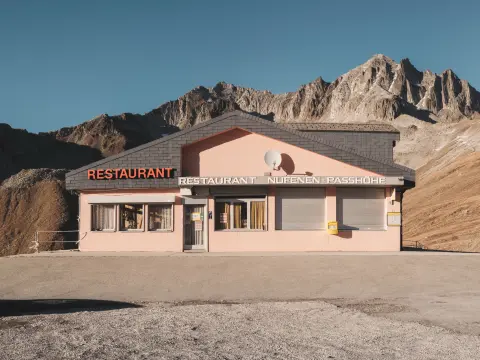
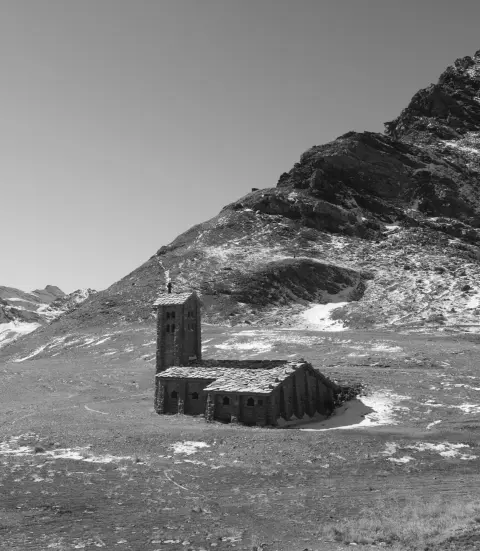
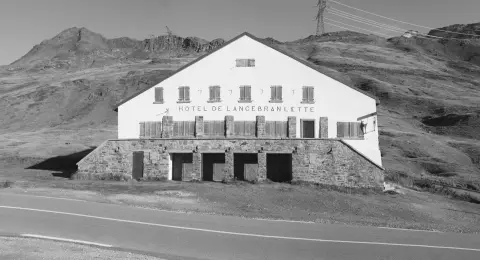
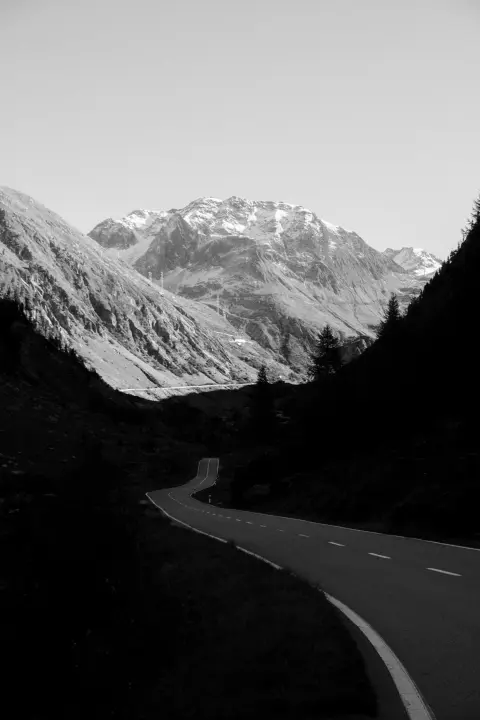
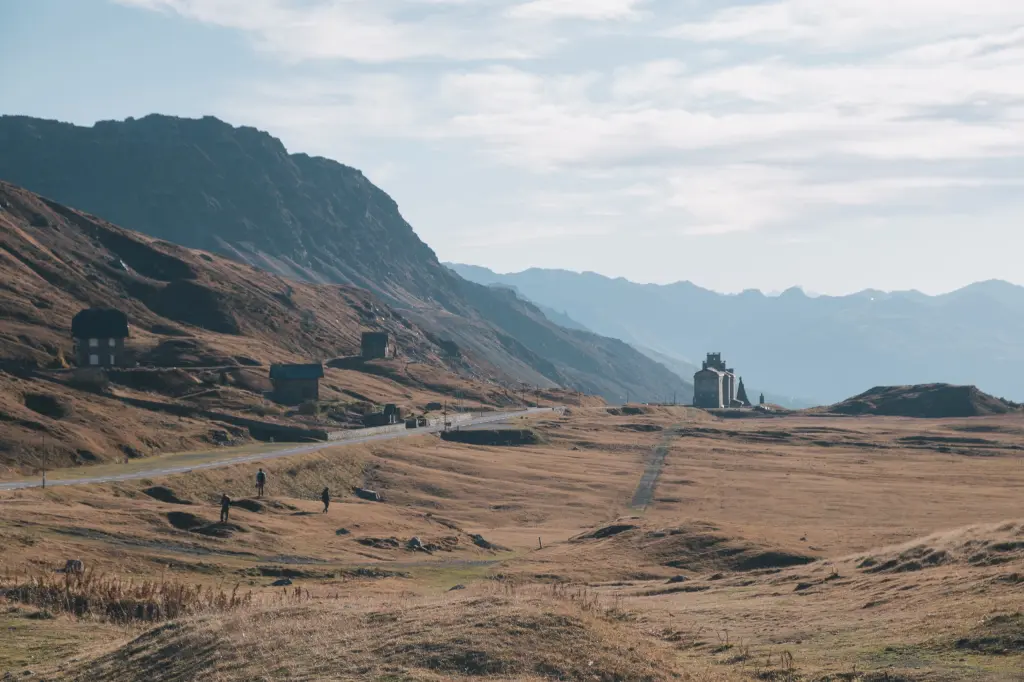
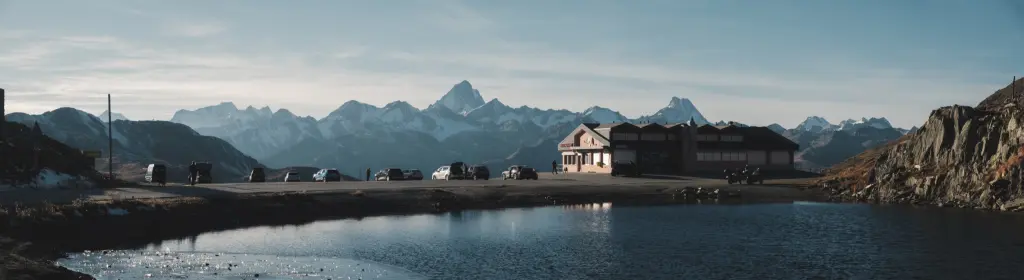
Three pass summits from the thesis on one sheet.
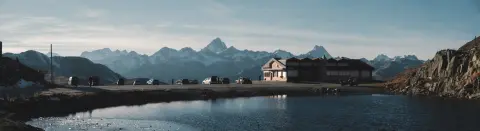
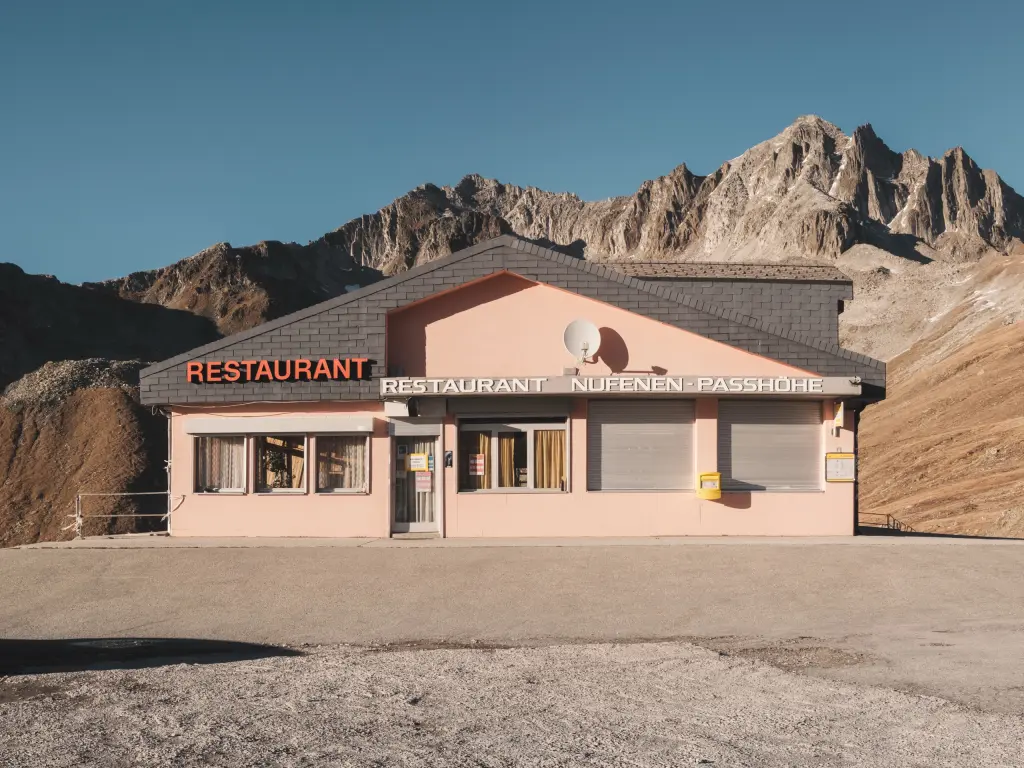
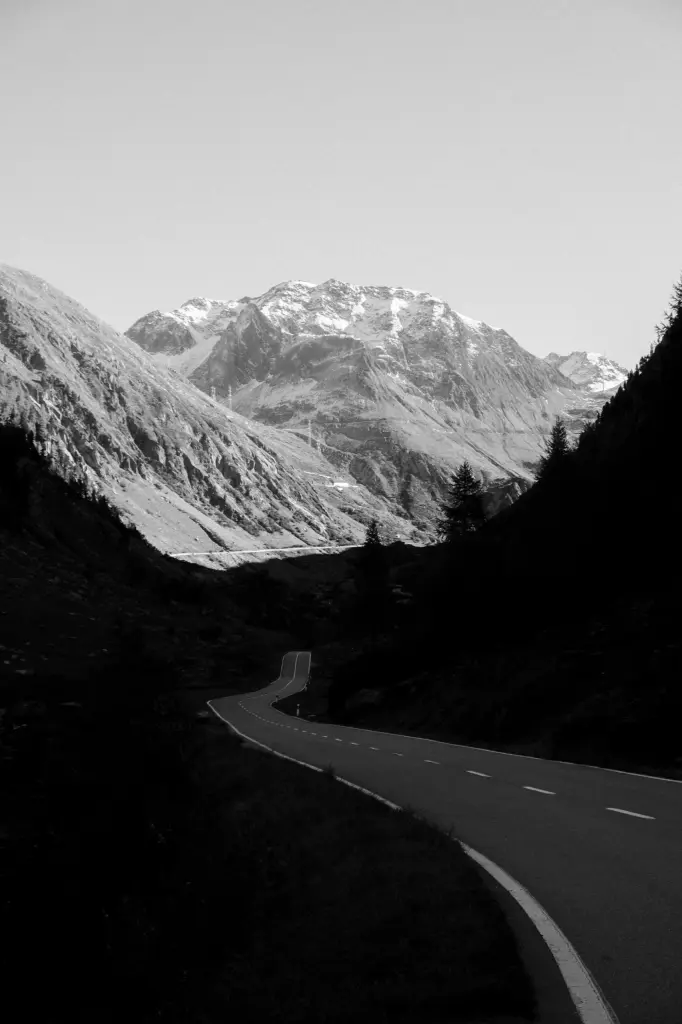
Nufenen Pass: The Nufenen between Valais and Ticino, with the restaurant on the summit and the small mountain lake. The road opened only in 1969; its pass house belongs to the newer buildings of motorised excursion traffic that took the place of the old hospice and post station.
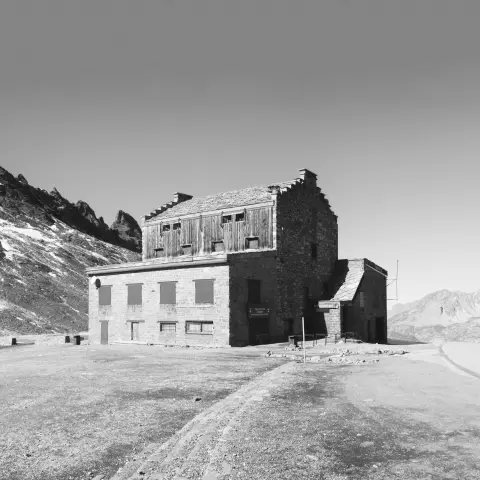
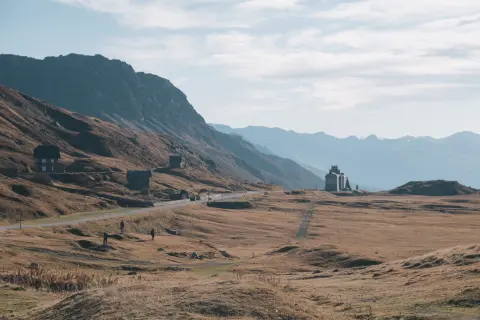
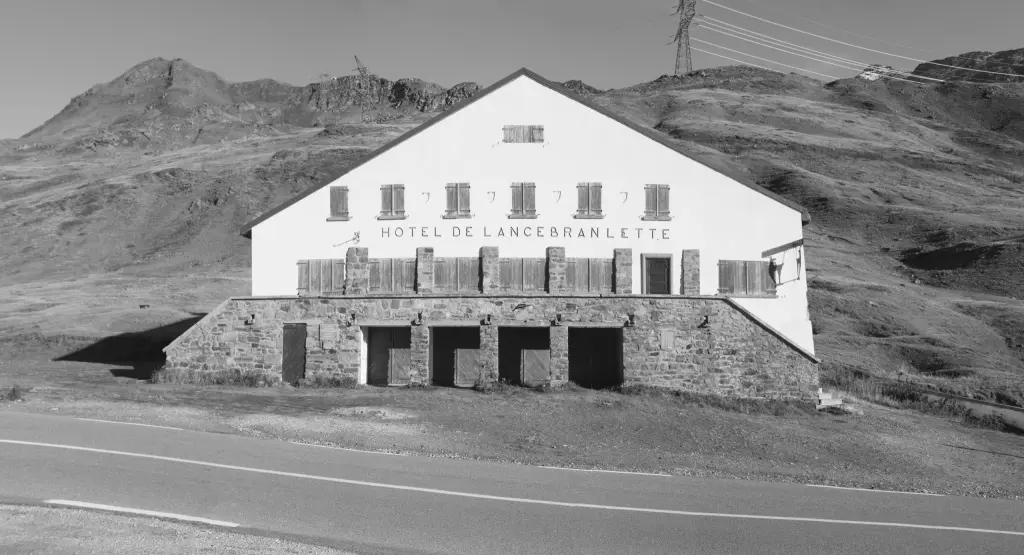
Little St Bernard Pass: On the Little St Bernard between Savoie and the Aosta Valley, the hospice was also a sign of Savoyard rule in the Middle Ages. The buildings on the wide summit, such as the Hôtel de Lancebranlette, show the compact, closed form with which pass houses meet wind and snow load.
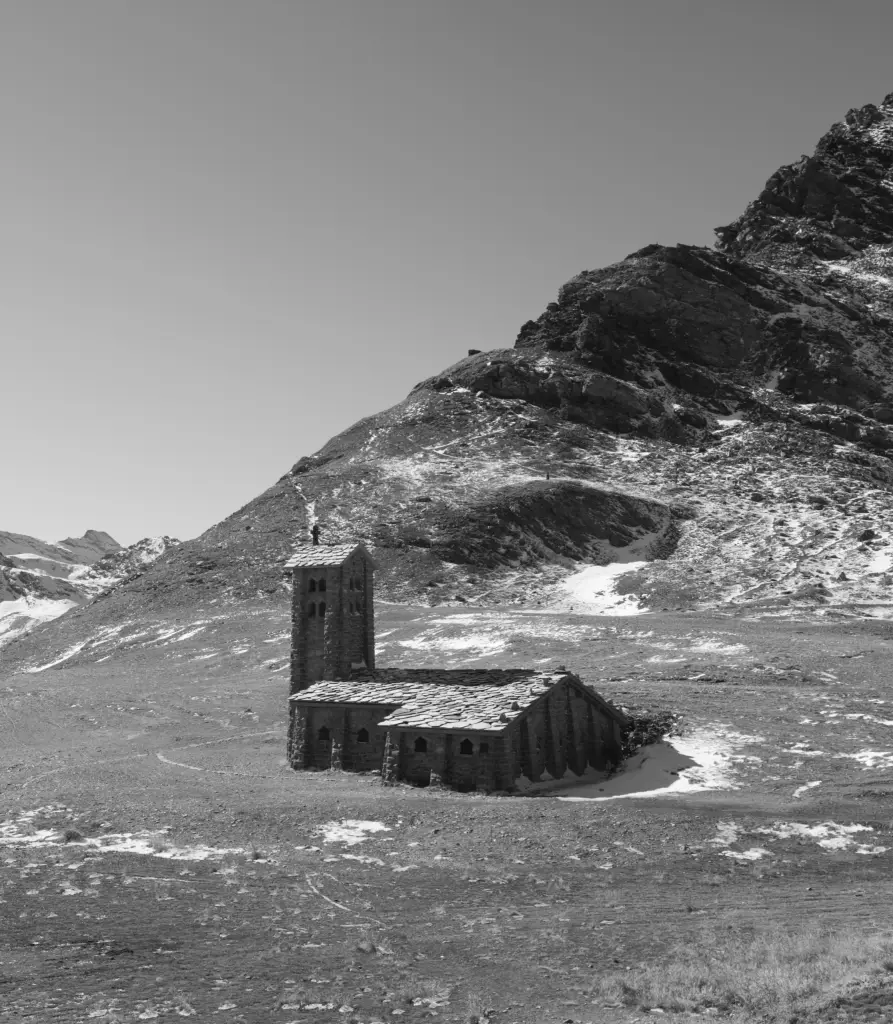
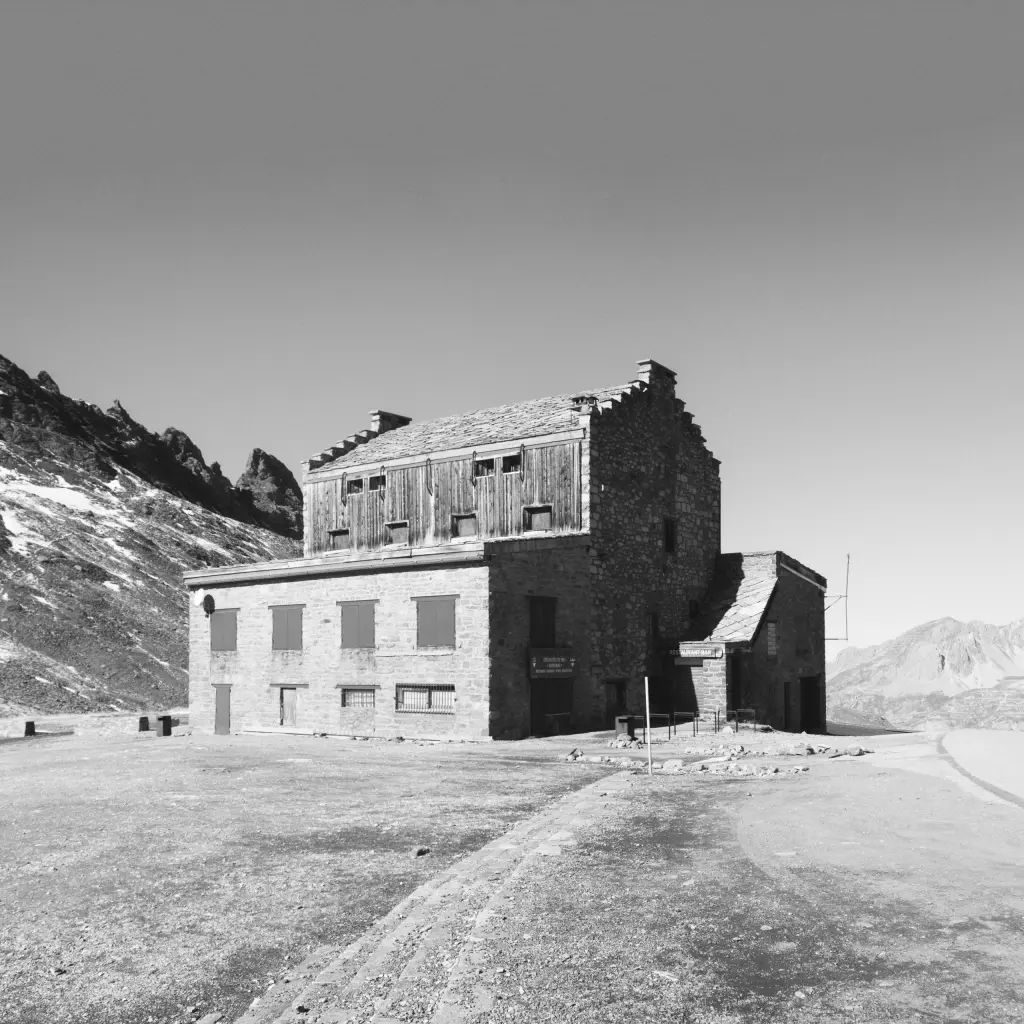
Col de l’Iseran: Stone chapel and pass building at 2,764 metres, the highest road pass in the Alps. Solid natural-stone masonry anchors the buildings in the terrain and protects against wind, snow and cold; weathered, stone and timber take on the muted colours of their surroundings.
Made for my master’s thesis “vom Passhaus” (On the Pass House) at Graz University of Technology (Institute of Spatial Design, supervised by Prof. Alexander Lehnerer, 2026). A pass house stands where the road reaches its highest point – as a hospice, post and customs station, inn, road keeper’s house or military post, often isolated and snowed in for months. The thesis treats it as a building type of its own and traces its history from the Roman Alpine roads and the medieval hospices to the tunnels that took away the passes’ importance from 1882 onwards, and to the tourism of the high Alpine roads.
A massive stone base, small windows, the entrance on the upper floor, an orientation set by the wind: much about the pass house can be explained by its location, climate and the institution behind it – but not the impression it leaves when it suddenly appears after the last bend. So I visited the houses myself, photographed and drew them. From this way of looking came hand drawings and designs for new pass houses.